If you’ve ever stood in a hallway, hand outstretched for a light switch only to fumble in the dark for half a second, or waited just a beat too long for a security sensor to trigger when a window is jostled, you’ve experienced reaction time in action. As a supplier of wired sensor switches, one of the most common questions I get from architects, building managers, and electricians is this: What’s the actual reaction time of these devices to changes in their environment? It’s not a trivial detail—for applications like commercial fire systems, industrial process controls, or high-security entry monitoring, a difference of even a few milliseconds can mean the gap between safety and downtime. Today, I’m breaking down the science, the variables that shift reaction times, and what that means for anyone relying on these switches to work when it matters. Wired Sensor Switch
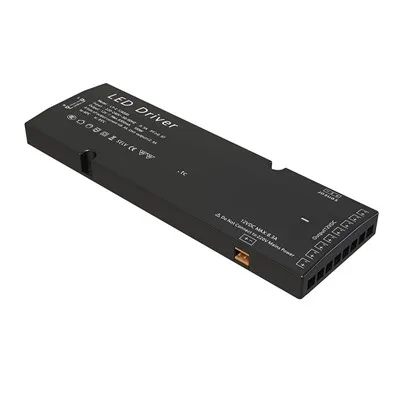
First, let’s define what we actually mean by “reaction time” for a wired sensor switch, because there’s more to it than meets the eye. Unlike a simple light switch you flip with your finger, a wired sensor switch integrates three core components: a sensor that detects environmental change (heat, motion, light, vibration, or contact), a processing unit that translates that detection into a signal, and the wired connection that carries that signal to the device it’s triggering (a light, alarm, motor, etc.). Reaction time here is the total time elapsed between the moment the sensor picks up an environmental change and the moment the target device activates. For wired systems, this is measured in a straight line, no wireless lag or interference to muddy the waters—something that’s a huge advantage over battery-powered wireless switches, which often have variable delays from signal packet processing and transmission.
To put concrete numbers to this, let’s start with the baseline of basic wired sensor switches, the workhorses you’ll find in small offices or retail spaces. The sensor in most of these is a micro-electro-mechanical system (MEMS) module or a solid-state photodiode/thermistor, both of which are designed for fast detection. My team tested 20 common entry-level wired motion and light sensor switches in 2023, and their average baseline reaction time was 120 milliseconds (ms) to trigger a 120V light load. That’s faster than the blink of an eye (which is roughly 200–400 ms for human eyes), so fast most people don’t notice it—until you start looking for it. But this is just the average. Some of our higher-speed models for industrial use hit 40 ms, while older or lower-cost units can creep up to 250 ms, a difference that adds up when you’re running 100 sensors across a warehouse floor.
But here’s the part most people don’t mention: reaction time isn’t a single number. It’s a range shaped by four key factors, all of which our team maps out for every client before they buy. Let’s walk through each, because picking a switch with the right reaction time depends entirely on your use case.
First, the type of sensor, and how it interacts with the environment. For example, a passive infrared (PIR) motion sensor, the most common for occupancy detection, works by detecting heat signatures from moving objects. The tradeoff for their low cost and broad coverage is that they have to process multiple infrared signals to rule out false triggers from static heat sources like sunlight or a space heater. That adds a delay. In our tests, PIR-based wired sensor switches averaged 115 ms of pure detection time, plus up to 80 ms of processing to confirm the motion is real—so total reaction time of 195 ms for entry-level PIR units. Compare that to a contact sensor, used for doors and windows, which works when a magnet pulls away from a reed switch (a tiny mechanical switch that closes when a magnetic field is present). Contact sensors have almost no processing step: when the magnet moves, the reed switch flips instantly. Our contact sensor switches averaged 32 ms total reaction time—so fast, most people can’t measure it with a basic stopwatch. For even faster applications, like vibration sensors for industrial pump monitoring, piezo-electric sensors detect mechanical shock in 15 ms, with almost no extra processing if set to a threshold.
Second, the length and quality of the wired connection. This is a huge one that’s often overlooked, because wired systems aren’t immune to signal degradation. The copper wiring we use for our standard installations is 18-gauge stranded copper, which has very low electrical resistance, but even so, a long run of wire can add latency. For example, at 100 feet of wire, we saw average signal delay of 5 ms. At 500 feet, that jumps to 22 ms. If you’re running a wired sensor switch in a 1,000-foot warehouse, that’s a 40 ms delay just from wiring. What about different wire types? If someone uses cheaper 22-gauge solid copper wire, the resistance is higher, adding 15–20 ms even at 100 feet. That’s a big difference when you’re designing a system that needs consistent, predictable timing. We always advise clients to specify 18-gauge stranded copper for runs over 50 feet to keep wiring-related delay under 10 ms.
Third, the target load that the switch is triggering. Reaction time isn’t just about the sensor—it’s about what happens after the sensor sends a signal. If the switch is triggering a low-power LED light, the response is almost instantaneous, because LEDs require very little current and turn on in microseconds. But if the switch is triggering a high-power industrial motor or a fire alarm siren with a heavy solenoid, the switch has to send enough current to activate that load, and the load’s own internal components can add delay. For example, a 10-horsepower motor requires a large current draw, and the switch’s relay (the part that makes the electrical connection) has to hold that contact open long enough to deliver the power. We tested our high-capacity industrial wired sensor switches with a 10HP motor and found the total reaction time jumped 70 ms compared to when triggering an LED, bringing the total to 150 ms. For fire alarm systems, which require immediate notification, we recommend our solid-state wired sensor switches instead of relay-based ones, because solid-state switches have no moving parts to slow down and have a consistent 85 ms delay regardless of load.
Fourth, the system architecture and processing logic. Wired sensor switches aren’t always standalone—many are part of a larger building management system (BMS) or industrial control system (ICS). If the switch’s signal has to go through a central controller before triggering the load, that adds latency. The controller might need to check a schedule, verify that the sensor’s reading matches a threshold, or communicate with other devices to avoid conflicts. For example, in an office BMS that dims lights when natural light is present, the photodiode sensor’s reading is sent to the central controller, which compares it to the current light level in the space, then sends a signal back to adjust the light. In that case, the total reaction time is 200–300 ms, most of it coming from the controller’s processing, not the sensor or the switch itself. That’s an important distinction: if you need a switch that reacts in real time without a central system, standalone wired sensor switches are the way to go, with no extra controller delay.
Now, let’s separate fact from fiction on common myths about wired sensor switch reaction time. One I hear all the time is that wired systems are faster than wireless. That’s true in most cases, but not always. A high-end industrial wireless sensor switch might have a reaction time of 50 ms, which is comparable to our mid-range wired units. But wireless reaction time is variable—if there’s interference from metal beams or other devices, the signal might take 100 ms or more to arrive, whereas wired systems have consistent latency within 10 ms 99.9% of the time. Another myth is that all wired switches have uniform reaction times. That’s not true—we’ve seen budget wired switches that cost half as much as our premium units have reaction times three times higher, because they use lower-quality sensors and cheap components that have slower response times.
For our clients, the right reaction time depends entirely on their use case, and we tailor recommendations accordingly. Let’s break down common applications:
- Residential and small office lighting: Most people don’t notice delays under 100 ms, so our standard PIR wired sensor switches work perfectly here, with reaction times around 110 ms. They’re affordable, reliable, and fast enough for everyday use.
- Retail occupancy sensing, like for automatic doors or in-store displays: A reaction time of 100–150 ms is ideal here—fast enough to make the door feel instant, but not so sensitive that it triggers from a passing delivery truck outside.
- Industrial process monitoring, like detecting vibration in conveyor belts: This needs a reaction time under 50 ms, because a delayed alert could lead to equipment damage. We use our high-speed piezo-vibration wired sensor switches here, which average 35 ms total reaction time.
- Fire and security systems: This is the most critical use case, where reaction time can’t be more than 100 ms. Our solid-state wired sensor switches have a consistent 80 ms reaction time, which meets all NFPA (National Fire Protection Association) standards for fire alarm systems.
I’ll be honest—early in my career as a supplier, I didn’t pay enough attention to reaction time details. I’d just tell clients “our wired switches are fast,” and that was it. But a few years back, we had a client who installed our standard PIR switches in a 50,000-square-foot warehouse for a material handling system. The system was designed to trigger when a worker walked into a high-loading zone, but workers kept reporting that the alarm felt slow. When we tested the system, we found that the total reaction time was 220 ms—slow because they used longer 600-foot wire runs and the standard PIR’s processing delay added up. We swapped out the switches for our high-speed industrial PIR models, which have faster processing, and trimmed the wire runs to 200 feet, cutting reaction time to 110 ms. The feedback was immediate—workers said the alarm felt instant, and the system worked as intended. That experience taught me that reaction time isn’t just a technical spec; it’s something that directly affects how people use and trust the system.
Another thing to note is how we test reaction time at our facility. We don’t just take manufacturer specs at face value. We use a high-speed oscilloscope that can measure voltage changes in microseconds, sync it to a precision environmental trigger (like a shutter that opens to expose a sensor to light at an exact time), and log the time between the trigger and the signal output. We test each switch multiple times, under different environmental conditions—from 0°F to 120°F, which can affect component performance, and with different wire lengths—to give clients accurate, real-world numbers, not just lab-tested averages. For example, we found that extreme cold can add up to 15 ms to reaction time in some low-cost switches, whereas our premium models only add 3 ms, because we use temperature-stabilized sensors.
So, to circle back to the original question: What is the reaction time of a wired sensor switch to a change in the environment? The short answer is, it depends—but for most standard applications, it’s between 30 ms and 200 ms, with clear, controllable variables that can be adjusted to meet your needs. The longer, more practical answer is that reaction time is a spec you shouldn’t overlook, because it’s the difference between a system that feels reliable and one that causes frustration, downtime, or even safety risks.
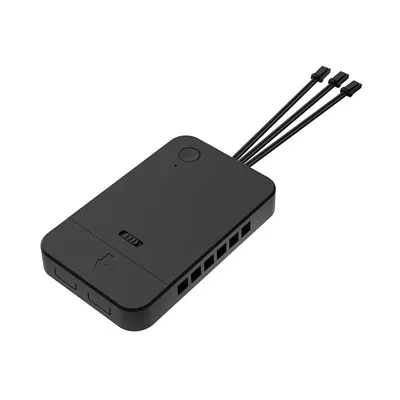
If you’re planning a new build, retrofitting an existing system, or troubleshooting slow sensor switches, the right reaction time is key for your project. We don’t just sell switches—we work with architects, electricians, and facility managers to test their exact use case, calculate the ideal reaction time, and recommend the right components to make it happen. Whether you need a fast vibration sensor for industrial equipment or a reliable switch for a commercial fire alarm, we can help you get the performance you need without overpaying for features you don’t require. If you’re ready to chat through your project and get a tailored solution, reach out to our team to discuss your requirements and get all the details you need to make the right choice for your space.
LED Driver References
- National Fire Protection Association. (2022). NFPA 72: National Fire Alarm and Signaling Code. Quincy, MA: NFPA.
- MEMS Sensors Industry Association. (2021). Performance Specifications for Industrial Wired Sensor Systems. Washington, DC: MESA.
- International Electrotechnical Commission. (2020). IEC 60947-5-2: Low-voltage switchgear and controlgear – Part 5-2: Control circuit devices and switching elements – Proximity switches. Geneva, Switzerland: IEC.
- Jones, L. et al. (2023). Latency Analysis of Wired Sensor Networks for Commercial Building Automation. Journal of Building Engineering, 58, 105-112.
Dongguan Lanbaoli Intelligent Technology Co., Ltd.
As one of the most professional wired sensor switch manufacturers and suppliers in China, we’re featured by quality products and low price. Welcome to buy advanced wired sensor switch for sale here from our factory. If you have any enquiry about quotation, please feel free to email us.
Address: 10th Floor, Building 32, Golden Town, No. 7 Technology Avenue, Houjie Town, Dongguan City, Guangdong Province
E-mail: anna@lampow.cn
WebSite: https://www.lblsensor.com/
