If you’ve ever worked in construction, mining, or any industry that relies on bulk cement for projects, you know how critical a cement powder tank trailer is—we’ve been supplying these units for years, and nothing matters more to us than keeping you and your team safe when using them. Cement powder is fine, dry, and has a way of getting into every nook and cranny, which means small oversights can turn into big, dangerous issues fast. After talking to hundreds of operators who’ve used our trailers, we’ve put together the real-world safety steps we swear by, no stuffy industry jargon here—just what works on job sites day in and day out. Cement Powder Tank Trailer

First off, pre-trip checks aren’t just a formality—they’re your first line of defense. We’ve seen guys skip a quick walkaround to beat a deadline, and that’s when problems pop up. Let’s break this down simply: start with the tank itself. Check for any dents, cracks, or rust spots along the seams. A tiny leak in a cement tank might not look like much now, but once you’re hauling 40 tons of powder down the highway, it can spray into your brakes or hit another vehicle. Next, the unloading system—those valves and hoses take a beating. Look for brittle hoses (if they’re cracked or stiff, replace ’em before you hook up), and make sure all valve handles are tight, not wobbly. Don’t forget the pressure gauge on the tank either. It should read zero when the trailer’s parked, right? If it’s showing any pressure, that means a valve might be stuck open, and hooking up to unload could cause a blowout. We even tell our customers to do a quick test: crack the tank’s vent valve before moving, just to make sure no air is trapped. That’s saved more than one guy from a surprise dust cloud in his face during a trip.
Then there’s dust control—this is non-negotiable, not just for comfort but for health. Cement powder isn’t just messy; it’s silica, and breathing it in over time can lead to serious lung issues, like silicosis. We’ve seen operators skip masks because they think a little dust won’t hurt, but after a few years, that “little dust” adds up. Here’s the trick: use the right PPE every single time. That means a NIOSH-approved respirator (not a cheap dust mask from the hardware store—those don’t block silica), safety goggles to keep dust out of your eyes (cement in your eye burns like hell and can cause scratches), and coveralls that fit well, so dust doesn’t get under your clothes. Also, when you’re unloading, make sure the vent line from the tank is pointed away from people, buildings, or other equipment. We’ve had customers vent the tank toward a crew waiting to unload concrete, and ended up with everyone coughing and eyes watering so bad they had to stop work. Pro tip: keep a small bucket of water nearby when unloading. A quick spray on the ground around the hose can settle loose dust and keep it from blowing around the job site.
Unloading is where most accidents happen, too. Let’s talk about that step-by-step, no shortcuts. First, make sure the trailer is parked on level ground—no slants, no hills. If it’s on a slope, the powder will shift, and the tank could tip or the hose could come loose unexpectedly. Set the parking brake, chock the wheels with heavy blocks (never trust the brake alone), and turn off the trailer’s engine. Now, connect the unloading hose: make sure the clamp is tight, no gaps. If the hose is leaking around the clamp, stop right there, tighten it more, or swap the clamp out. Next, check the tank’s pressure. You should only start the unloading compressor when the tank’s internal pressure is at the manufacturer’s recommended level—usually around 10-15 PSI, but don’t guess! The pressure gauge on the trailer will tell you exactly what it is. Never exceed that, even if you’re in a hurry—too much pressure can blow a hose right off the tank, sending cement powder flying at high speed. Also, when you’re almost done unloading, don’t just shut off the compressor and walk away. Release the remaining pressure slowly—if you slam the vent valve open, the leftover powder will blow out in a big cloud. We always tell customers to let the pressure drop to zero before disconnecting the hose, and to loosen the clamp only when there’s no pressure left. That’s how you avoid hoses whipping around (we’ve seen one knock a guy’s hard hat off, and another break a window on a nearby truck).
When you’re moving the trailer, there are safety rules specific to hauling cement powder that don’t apply to other loads. First, the load is dry powder, which means it can shift if you brake hard or take a turn too fast. Make sure you don’t overfill the tank—every one of our trailers has a level indicator, and you should never fill it more than 90% full. That leaves room for the powder to move a little, so it doesn’t slam into the sides of the tank during transport. Speeding is another big one. Cement tank trailers are big and heavy, especially when full, so stopping distance is way longer than a regular pickup. Stick to the speed limit (and maybe even go a little slower on windy days, since the tank acts like a big sail—we’ve had trailers tip in crosswinds when guys were going too fast). Also, never, ever use the tank’s internal air system to blow out the cab or clean off the trailer. That’s a trick some guys use, but the air can carry fine powder into the cab’s vents, which can mess up your engine’s air filter or get into your lungs while you’re driving.
Another thing we see a lot is improper maintenance of the tank’s internal components. The tank has a fluidized bed at the bottom, right? That’s the part that makes the powder flow when you unload. If that’s clogged, the powder won’t come out, and you might be tempted to shake the trailer or use too much pressure to force it out—bad idea. Instead, do regular checks of the fluidized bed, usually every 500 hours of use. We recommend that customers hire a technician (or if you’re handy, follow the manual) to clean out the bed, check for holes in the fabric, and make sure the air lines to the bed aren’t blocked. A clogged fluidized bed is a common cause of unloading delays, but forcing it can damage the tank or cause a pressure burst. Also, keep all valves lubricated—valves that are stuck shut or open can lead to pressure build-up or powder getting stuck. We supply our customers with a small maintenance kit when they buy a trailer, so use it—grease the valve stems and check the seals quarterly.
What about emergency situations? You have to know what to do if something goes wrong. If a hose blows out while unloading, don’t run toward it—step back, away from the blast. The powder is fine, but it can cause cuts or bruising if it hits you at high speed. Turn off the compressor first, then slowly release the tank’s pressure before trying to fix the hose. If you notice a leak from the tank itself, don’t try to weld it or patch it on site—cement dust is flammable in fine powder form, and welding near a leak can cause a fire. Call a professional to repair the tank, and keep all ignition sources (like cigarettes, torches, or even power tools) away from the leak until it’s fixed. And if someone gets cement in their eyes or on their skin, flush with water immediately. Cement is alkaline, so it can burn skin if it sits there—we’ve had cases where a guy left cement on his arms because he was busy, and ended up with a chemical burn.
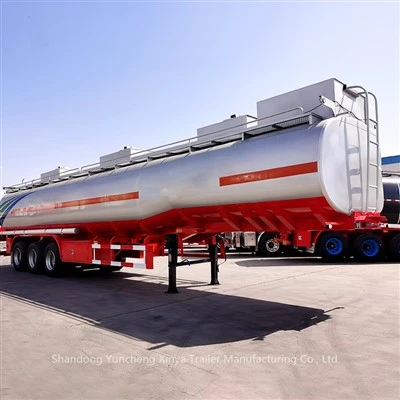
At the end of the day, these safety steps are all about common sense, but they’re easy to slip up on when you’re swamped on a job. We’ve built our cement powder tank trailers with safety in mind, but that only goes so far—your team’s awareness and care make the biggest difference. If you’re in the market for a reliable cement powder tank trailer, or you have questions about how to keep your current unit running safely, feel free to reach out to our team to discuss your needs. We’re here to help you get the job done right, and keep everyone on your crew safe.
Skeleton Semi-trailer References
- Occupational Safety and Health Administration (OSHA). (2022). Silica, Crystalline: General Industry Guidelines. U.S. Department of Labor.
- National Ready Mixed Concrete Association (NRMCA). (2021). Bulk Cement Transport and Handling Safety Manual. NRMCA.
- American Society of Mechanical Engineers (ASME). (2020). Safety Standard for Pressure Vessels Used in Bulk Material Transport. ASME International.
- Centers for Disease Control and Prevention (CDC). (2023). Preventing Silicosis in Construction Workers. CDC National Institute for Occupational Safety and Health.
Shandong Yuncheng Xinya Trailer Manufacturing Co., Ltd.
Shandong Yuncheng Xinya Trailer Manufacturing Co., Ltd. is one of the most experienced cement powder tank trailer manufacturers and suppliers in China, featured by quality products and good service. Please rest assured to buy CE approved cement powder tank trailer from our factory. Contact us for customized service and OEM service.
Address: No. 008, Hexie Road, Yangzhuangji Town, Yuncheng County, Heze City, Shandong Province
E-mail: fiona@xinyatrailer.com
WebSite: https://www.china-truckfactory.com/
