If you’ve ever handled stone polishing, you’ve probably heard of resin fickert abrasives—those game-changing tools that turn rough slabs into glossy countertops and floor tiles. But here’s the question I get from fabricators every single week: “How long do these things actually last?” I’m Jake, owner of a small abrasive supply shop that’s been serving stone pros in the Pacific Northwest for 12 years, so I don’t just read industry whitepapers—I watch guys out in the shop burn through $200 fickerts in a week because they didn’t pick the right one for their job. Let’s break this down straight, no fancy jargon, no sales fluff. Resin Fickert Abrasive
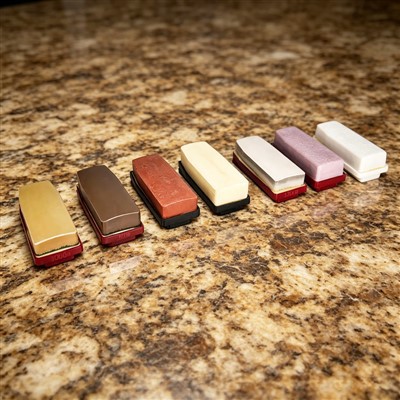
First off, there’s no one-size-fits-all answer, which is why so many people get tripped up. A resin fickert’s lifespan depends on three big things: the stone you’re working with, how you use the tool, and the quality of the fickert itself. Let’s start with stone type because that’s the biggest variable I’ve seen. Soft stones like marble or limestone? Those are a breeze. I’ve got guys running the same set of fickerts on marble for 10–12 days straight, 8 hours a day, and they’re still not totally worn out. But hard stones? Granite, quartz, engineered stone with that super-tough resin blend? Those will chew through fickerts way faster. A set for granite might only last 3–5 days. And don’t even get me started on recycled glass countertops—some guys tell me they go through a set in 2 days because the glass bits are so abrasive. It’s like using sandpaper on cement vs. sandpaper on butter; duh, the butter’s gonna last way longer.
Next, how you use the tool matters more than most folks realize. A lot of new fabricators think “slower is better” but that’s not always true with resin fickerts. If you push too hard on the machine—cranking the feed rate way up or forcing the fickert into the stone too fast—it’ll wear the abrasive down in half the time. I’ve had a customer last month who ruined a set in 2 days because he was in a hurry to finish a big kitchen job, shoving the fickert into the stone instead of letting the machine do the work. On the flip side, if you run it too slow, you might get better finish but the fickert will glaze over—when the resin binder clogs with stone dust and stops cutting. Glazed fickerts don’t just stop working; they’re a waste because you’re not getting any polishing done. Also, how you prep the stone before? If you skip coarse grit grinding, the fine resin fickerts will have to work way harder, wearing out faster. I always tell new guys: start with the right grit for your stone, don’t make your fickert do work it’s not designed for.
Then there’s the quality of the resin fickert. Cheap ones from no-name manufacturers? They’re made with soft resin binder and cheap grit that falls apart. Those might be half the price but they’ll last 50% less. For example, a bargain set I sold a guy last year only lasted 2 days on granite, while the professional grade fickerts I sell? Same job, same machine, lasted 5 days. The difference is in the mix: we use high-grade alumina grit and a resin that’s hard enough to hold the grit but soft enough to wear away as it works, exposing new sharp grit. That “self-sharpening” action is key. If the resin is too hard, it won’t wear, grit gets dull, fickert dies early. If it’s too soft, the grit falls out before it’s even used. So yeah, not all resin fickerts are created equal.
Wait, let’s get specific with numbers, because that’s what everyone wants. Let’s break it down by common scenarios:
-
Marble/Limestone (soft, low-abrasion): For hand-held polishers, a single 3-inch resin fickert will do 150–200 square feet of surface. For automated line polishers, a set (usually 6–8 fickerts, each for a specific grit) will process 500–700 square feet of slabs before they need to be replaced. That’s 10–12 days of solid work, like I mentioned earlier.
-
Granite/Quartz (medium-hard): Hand-held: 75–120 square feet per fickert. Automated: 250–400 square feet per set, so 3–5 days of use.
-
Engineered Stone/Recycled Glass (super abrasive): Hand-held: 30–60 square feet per fickert. Automated: 100–150 square feet per set, so only 1–2 days max.
But wait, those are averages. I’ve seen a marble fickert last 250 square feet if the operator was careful, and a granite one die after 50 square feet if the guy was rushing. Also, don’t forget about reconditioning. Some fickerts can be re-sharpened—you run them against a coarse stone disk for a few seconds to clean out the dust and expose new grit. That can add 20–30% to their lifespan. But not every fickert is reconditionable; cheap ones with soft resin fall apart if you do that.
Another thing I’ve noticed: storage can mess with lifespan too. If you leave resin fickerts out in the sun or high humidity, the resin breaks down early. I had a customer who stored his in his unheated garage, and his set only lasted half as long as mine. Keep ’em in a cool, dry place, and they’ll last longer even before you use them.
Now, let’s talk about mistakes that cut lifespan short. Number one mistake: using the wrong grit. If you go from 50-grit grinding straight to 3000-grit with the same fickert? That’s a death sentence. Fine grit fickerts can’t handle coarse stone material, so they wear way faster. Number two: not cleaning the machine after use. If you leave stone dust caked on the fickert, it’ll glaze over overnight, and when you use it next, it’ll just rub instead of cut. Number three: ignoring load pressure. Automated machines have weight settings—if you set too much weight, you’ll burn through fickerts fast. Most pros use about 15–20 lbs of pressure per square inch for automated polishers, adjust for stone hardness.
What about when you know a fickert is worn out? You’ll see it: the finish goes dull instead of smooth, you have to push way harder to get the same cut, the edge of the fickert is rounded instead of sharp, or it’s leaving scratches that aren’t from the stone. That’s when you know it’s time to replace it. Don’t keep using a worn-out fickert—it’ll waste your time and give you a bad finish, so you’ll have to rework the whole job anyway.
Okay, so putting this all together: the shortest lifespan I’ve ever recorded was 1 day on recycled glass countertops, the longest was 16 days on a big marble job. Most of the time, you’re looking at 3–12 days, depending on the factors I mentioned. But here’s the deal: buying cheap fickerts isn’t saving you money. Let’s do the math: a cheap set is $100, lasts 2 days. A professional set is $250, lasts 5 days. The cheap set costs $50 per day, the professional is $50 per day too. But the professional set gives a better finish, reconditionable, less downtime. So yeah, it’s worth it.
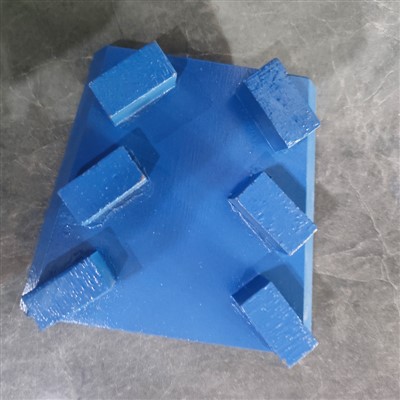
If you’re out there going through fickerts way faster than you think you should, chances are it’s one of these things: wrong stone type, using too much pressure, cheap products, or wrong grit. I’ve been doing this long enough to spot it. If you want to figure out why your fickerts are dying so fast, or if you need a set that’s going to last for your next big job, hit me up. I’ll ask you about your stone, your machine, how you use ’em, and point you to the right product that’ll save you money and time. No sales pitch, just real advice from someone who’s seen it all.
Buff Fickert and Classical Abrasive References
- Stone Engineering Association. (2021). Best Practices for Resin-Bond Abrasive Usage in Stone Polishing.
- Journal of Abrasive Technology. (2019). Wear Characteristics of Resin Fickert Abrasives for Natural and Engineered Stones.
- Practical Stone Fabrication Handbook. (2022). Lifespan and Maintenance of Polishing Consumables.
- International Masonry Institute. (2020). Optimizing Abrasive Tool Life for Commercial Stone Projects.
Quanzhou Cheefung New Materials Co., Ltd.
As one of the most experienced resin fickert abrasive enterprises in China, we are able to meet the needs of the majority of our customers. Please feel free to wholesale advanced resin fickert abrasive made in China here from our factory. For price consultation, contact us.
Address: Jinshan Community, Licheng District, Quanzhou City, Fujian, China
E-mail: info@prostonetools.com
WebSite: https://www.prostonetools.com/
