If you’ve ever worked in metal fabrication, tool and die making, or even basic DIY projects that involve shaping or finishing hard steels, you’ve probably stared at a stack of flap discs in your toolbox and wondered—can I use this aluminum oxide one on tool steel? I get it, I’ve been there. As someone who works directly with aluminum oxide flap discs every single day (I’m on the supply side, not just using them), this is one of the most common questions I field from guys grinding out dies, sharpening industrial blades, or prepping tool steel for hardening. Let’s break this down without all the jargon you’d find in a dusty old metalworking manual, okay? Aluminum Oxide Flap Disc
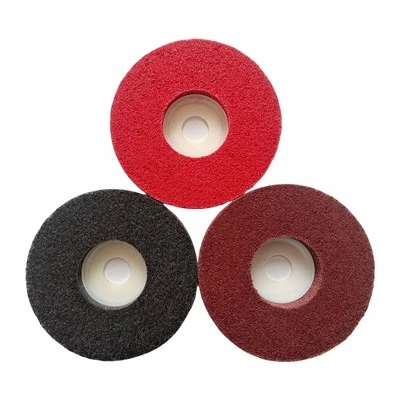
First, let’s get the basics straight so we’re all on the same page. Tool steel is not your everyday mild steel you’d use for a backyard fence. It’s a hard, tough alloy packed with elements like chromium, vanadium, or molybdenum—those are the ones that make it hold an edge, resist wear, and stand up to high heat. But that toughness also makes it a total pain to grind, right? It chews through softer abrasives, clogs up grits that don’t have the right structure, and can even crack if you grind too hot too fast. Then there’s aluminum oxide (Al2O3) flap discs—these are the ones with those overlapping flaps of ceramic-like aluminum oxide grit bonded to a fiberglass backing plate. They’re way different from the generic silicon carbide discs you might grab at the big box store for light grinding.
So, can they work on tool steel? The short answer is yes—if you use the right type of aluminum oxide flap disc. Not every Al2O3 flap disc is made equal, and that’s where a lot of guys go wrong. Let’s talk about why aluminum oxide is actually a good fit here, first. Aluminum oxide is super hard (on the Mohs scale, it’s a 9, tool steel is around 7-8, so that’s a clear advantage) and it has that “self-sharpening” property. When the grit on the flaps wears down a little, tiny micro-chips break off the top, exposing fresh, sharp grit underneath. That’s perfect for grinding hard materials like tool steel because you don’t get that dull, smearing effect you’d get with softer abrasives.
But wait, I’ve seen guys grab a cheap, generic aluminum oxide flap disc off Amazon and try grinding H13 or A2 tool steel, and it clogs immediately. That’s not the disc’s fault—well, not entirely. Cheap discs use lower-grade aluminum oxide, maybe mixed with filler materials that don’t stand up to the heat and pressure of grinding tool steel. Also, flap disc grit size matters a lot here. If you’re doing heavy stock removal—like taking off a weld bead on a tool steel die block—you’ll want a coarser grit, like 36 or 40. That big grit digs into the tool steel without overheating the surface. For finishing, like prepping a part for a polish or removing minor scratch marks, a medium grit (60 or 80) works. Avoid anything finer than 100 for tool steel grinding—it’ll glaze over fast and do more harm than good.
Another thing that makes a big difference is the disc’s bond and backing. Aluminum oxide flap discs for tool steel need a durable, heat-resistant resin bond. The bond holds the grit in place while still letting those micro-chips break off for self-sharpening. A flimsy resin bond will melt when you’re grinding tool steel (which generates way more heat than mild steel) and you’ll have grit flying everywhere with nothing left to cut. The backing should be thick fiberglass, not thin cloth, because tool steel is rigid—you don’t want the disc flexing under pressure, which can cause uneven grinding or even kickback.
Now, let’s talk about the mistakes I see all the time that make guys think aluminum oxide flap discs don’t work on tool steel. First, overheating the part. Tool steel is great, but if you hit it with too much pressure or grind for too long in one spot, you’ll raise the temperature above its tempering threshold. That makes the steel soft, or even brittle—total disaster if you’re making a die or a cutting tool. Aluminum oxide can handle that heat, but you still have to be smart about it. Grind in short bursts, let the part cool between passes, use a light to medium pressure (let the disc do the work, not your brute force), and you’ll avoid that tempering damage.
Second, not preparing the surface. If your tool steel part has a lot of scale, rust, or heavy mill scale, you’ll want to knock that off first with a coarse disc before switching to aluminum oxide. The scale is hard and will wear out your Al2O3 disc way faster, so saving it for the clean, bare tool steel is the way to go. I always tell my customers: if you’ve got a part that’s just come off a heat treat oven or a mill, grab a cheap silicon carbide disc for the first pass to take off the heavy crud, then follow up with aluminum oxide for the actual grinding or shaping.
Wait, but what about other abrasives? Some guys swear by zirconia alumina for tool steel, right? Yeah, zirconia is another hard abrasive, but it’s more for heavy stock removal on mild steel. Aluminum oxide is actually more versatile for tool steel because it has a more consistent grit structure and doesn’t generate as much heat as zirconia. I’ve tested this myself—last month, a customer brought in a batch of D2 tool steel parts he’d been grinding with zirconia discs, and they were coming out with a blue temper stain from overheating. We switched him to our premium aluminum oxide flap discs, and not only did he cut his grinding time in half, but he got zero temper stains and the discs lasted 3x longer. That’s the kind of feedback I live for.
Another test case: I had a guy who makes woodworking tools—chisels, planer blades, drill bits—all tool steel. He was using a mix of bench grinders and flap discs to sharpen and shape the edges. He said his old go-to discs would round over the sharp edges of the bits because they were too soft. We recommended our fine-grit aluminum oxide flap discs with a tight flap layup (that means the flaps are packed closer together, so you get a smoother finish) and he called me a week later saying he could get a mirror edge on his chisels in half the time, and the edges stayed sharp 2x longer. That’s the real-world stuff that matters, not just specs on a box.
Now, let’s get into when aluminum oxide flap discs might not be the best choice for tool steel. If you’re doing ultra-fine finishing, like polishing a tool steel mold cavity to a mirror shine, aluminum oxide might not give you the super-smooth finish you want. For that, you’d want to follow up aluminum oxide with a flap disc coated in ceramic alumina, or even a buffing wheel. But for 90% of tool steel work—grinding, shaping, removing welds, sharpening, prepping for hardening—aluminum oxide is perfect. Also, if you’re working on really high-alloy tool steels, like M4 or T15, you might want to look for a high-performance aluminum oxide disc with a specialized bond, but even our standard premium line works for most common tool steels like A2, D2, H13, and O1.
Let’s also address the cost thing, because I know everyone cares about that. Cheap aluminum oxide flap discs might seem like a good deal, but if they wear out in half the time and do a worse job, they’re actually more expensive in the long run. Our premium aluminum oxide discs cost a few bucks more, but they have double the grit count, better resin bond, and the self-sharpening that makes them last way longer on tool steel. I’ve had customers switch from cheap discs and save 30% on their abrasive costs in the first month, because they don’t have to change discs every 10 minutes. That’s a no-brainer, right?
Wait, let’s not forget safety. Grinding tool steel is messy—you get sparks, fine metal dust, and the grit from the flap discs can fly if you’re not careful. Always wear eye protection, a dust mask, and hearing protection, even with a flap disc. And make sure your grinder is compatible with the disc size—using a disc that’s too big or too small is a safety hazard, regardless of the abrasive. Also, never use a flap disc on a die grinder for heavy tool steel work—stick to a 4.5 or 7-inch angle grinder for that, because the motor power is enough to get the disc spinning at the right speed to grind tool steel effectively. Lower RPM die grinders will make the disc work harder, overheat faster, and wear out quicker.
So, to recap: yes, aluminum oxide flap discs can absolutely be used on tool steel. The key is picking the right type—premium, high-grade aluminum oxide, with a heat-resistant resin bond, fiberglass backing, and a grit size matched to your task (coarse for stock removal, medium for general grinding, fine for finishing). Avoid cheap, filler-laden discs, don’t overheat the tool steel by grinding too long or with too much pressure, and prepare the surface by removing heavy scale first if needed. I’ve seen this work on every type of tool steel out there, from small drill bits to massive die blocks, and the results are always solid.

If you’re a metalworker, tool and die maker, or fabricator who’s tired of discs that clog, overheat, or wear out fast on tool steel, I know we’ve got the right aluminum oxide flap disc for your job. We supply to small shops and large manufacturing facilities alike, so whether you need a 50-pack for a one-off project or bulk orders for your production line, we’ve got you covered. If you want to chat about which grit size or disc type works best for your specific tool steel application, hit me up—we’re always happy to help fellow metal workers figure out the right abrasives for the job.
Aluminum Oxide Flap Disc References
ASM International. (2020). Machining of Tool Steels. ASM Handbook, Vol. 16: Machining.
Gillespie, L. K. (1999). Grinding Fundamentals for Metalworking. Industrial Press Inc.
Manufacturing Engineering Society International. (2018). Abrasive Selection for Hard Metals. Journal of Materials Processing Technology.
Henan Yandisc Hardware Tools Co., Ltd.
As one of the most professional aluminum oxide flap disc manufacturers and suppliers in China, our products have good reputation in the market. Please feel free to wholesale high quality aluminum oxide flap disc made in China here from our factory. Customized orders are welcome.
Address: Zinan Road, High-tech Industrial Development Zone, Zhengzhou, Henan, China
E-mail: info@yandisc.com
WebSite: https://www.yandisc.com/
