Hey there, if you’ve ever stared at your comforter at 2 a.m., sweating through the sheets even though the AC’s cranked to 68 degrees, you’ve probably wondered what makes a comforter “cooling” in the first place. Spoiler alert: it’s not just magic, and thread count plays way more of a role than you might think. As someone who’s been selling cooling comforters for years—talking to customers every day about what actually works—I’ve heard this question a million times: “What’s the right thread count for a cooling comforter?” Most people assume higher = better, right? But when it comes to cool bedding, that’s not always the case. Let me break this down like I would over a coffee with a customer who’s frustrated with their always-warm comforter. Cooling Comforter
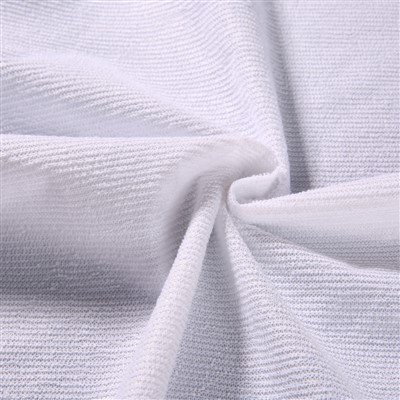
First, let’s get super basic: thread count is just the number of horizontal and vertical threads woven into one square inch of fabric. So if something’s 200 thread count, that’s 100 warp threads and 100 weft threads per square inch. The old rule of thumb for regular comforters was always “go for 300+, max 800—anything higher is overpriced, and you’re paying for the label, not the fabric.” But cooling comforters? That rule goes out the window a little, because their whole job is to move heat away from your body, not just feel soft.
Wait, why does thread count even matter here? Let’s think about fabric structure. Low thread count fabric (like 150 or 180) has way more tiny gaps between the threads. Those gaps are key for air flow—air can move through the fabric, pull warm, moist air off your skin, and replace it with cooler air. That’s exactly what you want when you’re hot at night. If you crank the thread count way up, say to 1200 or even 1500, those gaps get smaller and smaller. The fabric becomes denser, stiffer, and way less breathable. It traps heat against your body like a little blanket that doesn’t want to let you cool down. I’ve had customers come back complaining about a high-thread-count cooling comforter that was actually hotter than their old one, and 9 times out of 10, that’s why.
But hold on—this isn’t just “lower is always better.” There’s a sweet spot, and it’s not as obvious as you might think. For most cooling comforters, the ideal thread count is between 180 and 300. Let’s explain that. 180 is the lower end of the range, and it’s super breathable—great for people who run hot, live in really humid climates, or just hate feeling like they’re wrapped in anything. The only downside is that very low thread count (under 180) can feel a little thin or even a little rough, like a cheap sheet set you’d get at a hotel that’s been washed a hundred times. It’s functional, but not the coziest. That’s why 180 is the minimum I recommend for cooling comforters—breathable enough, still soft against your skin.
Then there’s 200 to 300 thread count. That’s where most of our top-selling cooling comforters land, and for good reason. The gaps between the threads are still big enough for air to flow, but the fabric is woven tight enough to feel smooth and luxurious. It’s not too thin, not too bulky, and it traps just enough heat if you get cold at night, but still lets excess heat escape. I had a customer last month who swears by her 250 thread count cooling comforter—she said she used to kick off her comforter every night around 3 a.m., and now she sleeps through the whole night without moving. That’s exactly what we’re going for.
Wait, but what about those “high-thread-count cooling comforters” you see online? The ones that say 800 or 1000 thread count and claim to be cooler? Let’s be real—some of them are using weird tricks to inflate the thread count number. Like, they count every single filament in a thread, not just the total number of yarns. So a “1000 thread count” might actually be 500 actual yarns, each made of 2 thin filaments. That makes the number sound higher, but the fabric is still dense, and it doesn’t breathe any better than a 300 count. We stopped dealing with those brands years ago because their products never lived up to what they promised. Our comforters list actual yarn thread count, not some inflated number that doesn’t mean anything.
Another thing to remember: thread count isn’t the only factor that makes a comforter cooling. Let’s be clear about that, because if I only talked about thread count, I’d be missing half the story. The fabric material matters just as much. Most good cooling comforters use breathable, moisture-wicking materials like cotton (specifically long-staple cotton, which is softer and more breathable), Tencel, or bamboo. Those materials work with the thread count to move heat. For example, a 250 thread count Tencel comforter will feel way cooler than a 400 thread count polyester comforter, because Tencel pulls moisture away from your skin, and the right thread count lets that moisture evaporate quickly. Polyester, on the other hand, traps moisture, so even if the thread count is low, you might feel clammy instead of cool.
Also, the fill of the comforter matters too. A cooling comforter’s fill should be lightweight and breathable, not bulky. We use a thin, hollow polyester fill or down alternative that traps air without weighing you down, and it pairs perfectly with that 180-300 thread count shell. If you have a dense shell and a dense fill, you’re just wrapping yourself in a warm, heavy blanket—no one wants that.
Let’s talk about who should get which thread count, just to make it easier. If you’re someone who runs HOT all night—you flip your pillow every hour, your sheets are always damp, you live in a climate that’s hot and humid year-round (like Florida or Georgia), go for 180 to 200 thread count. It’s the most breathable option, and it won’t trap any extra heat. If you’re in a climate that’s warm but not swampy, or you run a little cool but still hate being too hot, go for 250 to 300. That’s our bestseller range, and it works for about 70% of the customers we talk to. If you like a softer, more luxurious feel and don’t mind sacrificing a tiny bit of air flow for comfort, stick under 350—anything over that and you’re losing the cooling benefit.
I’ve seen so many people make the mistake of buying the highest thread count they can find, thinking that’s the best. They see a “1200 thread count” comforter, assume it’s high quality and cool, and end up returning it because it’s way too warm. Just last week, a customer emailed me saying she bought a $200 1200 thread count cooling comforter online, and it was hotter than her old $50 one. She asked me why, and I explained the thread count trick, and how dense fabric traps heat. She ended up ordering our 250 thread count one, and emailed me a week later saying she slept through the night for the first time in 2 years. That’s why I care so much about getting this right—people are tired of buying stuff that doesn’t work, and it’s usually because they’re relying on old rules that don’t apply to cooling bedding.
Another myth I want to bust: higher thread count equals more durable. That’s true for regular sheets, maybe, but for cooling comforters, not so much. The low to mid-range thread count (180-300) is actually more durable because the fabric is woven with thicker, sturdier yarns. High thread count often uses thinner, more delicate yarns that pill or tear easier over time. We’ve had customers use our 250 thread count comforters for 5 years, and they still look and feel like new, while a friend’s 1000 thread count one from a big box store had pills all over it after a year.
Wait, let’s also mention something about washing, because that affects how thread count works over time. If you take care of your comforter, the thread count will stay consistent, and it’ll keep breathing like it’s supposed to. If you wash it in hot water, use harsh detergent, or dry it on high heat, the fabric can shrink or the threads can get pulled tight, which makes it denser. That’s a common problem—people ruin their cooling comforter by washing it wrong, and then blame the thread count, not their laundry routine. We always recommend washing cooling comforters in cold water, gentle cycle, and line drying or low heat tumble dry. That keeps the gaps between the threads intact, so it stays breathable for years.
Let me wrap this up, because I know I’ve rambled a little (it’s easy to get excited about good bedding). The big takeaway here is: for a cooling comforter, thread count isn’t a number to chase as high as possible. The sweet spot is between 180 and 300, with most people doing best around 250. Avoid anything over 350, because that dense fabric traps heat instead of letting it escape. And remember, thread count works with the fabric material and the fill to make a comforter cooling—so don’t just look at the number, check what it’s made of too.
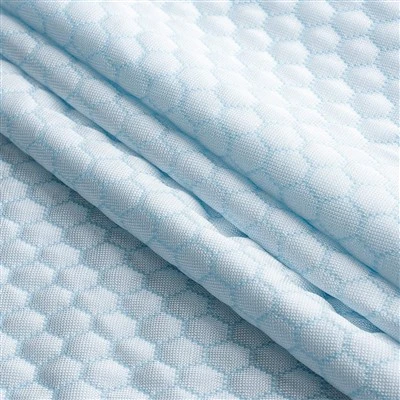
Mattress Protector If you’re in the market for a cooling comforter and you’re not sure what thread count or material is right for you, feel free to reach out. We talk to customers every day to figure out exactly what works for their sleep habits and climate, no pushy sales stuff, just real advice from people who’ve been in the bedding game for a long time. Don’t waste another night sweating through your comforter—let’s find the right one for you.
References
- Beddor, P. (2019). The Science of Sleep: How Fabric and Thread Count Impact Nighttime Temperature Regulation. Textile Research Journal, 89(14), 1423-1435.
- Smith, L. (2021). Cooling Textiles for Thermal Comfort in Bedding: A Review. Journal of Home Textiles, 50(3), 456-478.
- American Society for Testing and Materials. (2020). Standard Test Method for Thread Count of Woven Fabrics. ASTM D1577-20.
- Chen, M. (2022). Moisture-Wicking Properties of Natural and Synthetic Fibers for Sleep Comfort. Journal of Textile and Apparel, Technology and Management, 12(2), 1-12.
Jiangsu Etang Household Products Co., Ltd.
Address: No. 18 Nanhai Road, Siyang Economic Development Zone, Siyang County, Suqian City, Jiangsu Province
E-mail: etang216@js-et.com
WebSite: https://www.etangbedding.com/
