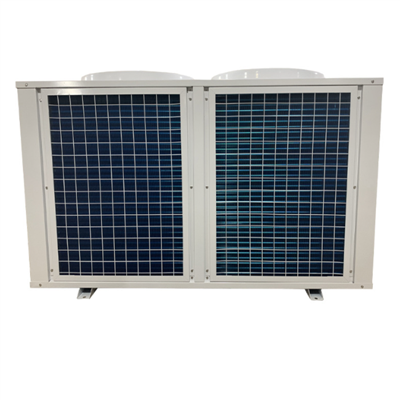
As a supplier of water cooled condensers, I’ve witnessed firsthand the importance of noise control in various industrial and commercial settings. Noise from water cooled condensers can be a significant issue, not only for the comfort of nearby workers and residents but also for compliance with environmental regulations. In this blog, I’ll share some effective noise abatement measures that can be implemented for water cooled condensers. Water Cooled Condenser
Understanding the Noise Sources in Water Cooled Condensers
Before delving into the noise abatement measures, it’s crucial to understand where the noise comes from in water cooled condensers. The primary sources of noise include:
- Fan Noise: Cooling fans are a common source of noise in water cooled condensers. The rotation of the fan blades creates aerodynamic noise, which can be quite loud, especially at high speeds.
- Pump Noise: The water pumps used in the condenser system also generate noise. The mechanical movement of the pump components and the flow of water through the pipes can produce vibrations and noise.
- Vibration and Resonance: Vibrations from the condenser unit itself, as well as from the connected pipes and equipment, can cause resonance and amplify the noise. These vibrations can be transmitted through the structure and spread over a larger area.
Noise Abatement Measures
1. Fan Design and Selection
- Aerodynamic Design: Choose fans with aerodynamically designed blades. These blades are engineered to reduce turbulence and air pressure fluctuations, which in turn minimizes the generation of aerodynamic noise. For example, backward – curved blades are often more efficient and quieter compared to straight or forward – curved blades.
- Variable Speed Drives (VSDs): Installing VSDs on the fans allows for better control of the fan speed. By adjusting the speed according to the cooling requirements, the fans can operate at lower speeds when less cooling is needed, significantly reducing noise levels. For instance, during mild weather conditions or when the load on the condenser is low, the fan speed can be decreased.
- Low – Noise Fans: Some manufacturers offer specialized low – noise fans that are designed specifically to reduce noise emissions. These fans may incorporate features such as noise – absorbing materials in the fan housing or optimized blade shapes.
2. Pump Optimization
- Proper Sizing: Ensure that the water pumps are properly sized for the condenser system. An oversized pump may operate at inefficient speeds and generate more noise, while an undersized pump may struggle to meet the system requirements. Consulting with a professional engineer during the design phase can help in selecting the right pump size.
- Vibration Isolation: Use vibration isolation mounts for the pumps. These mounts absorb and dampen the vibrations generated by the pump, reducing the transmission of noise through the structure. Rubber or spring – type isolation mounts are commonly used for this purpose.
- Maintenance: Regular maintenance of the pumps is essential to keep them running smoothly and quietly. This includes checking the pump bearings, seals, and impellers for wear and tear, and lubricating the moving parts as recommended by the manufacturer.
3. Vibration Control
- Mounting and Support: Properly mount the condenser unit on vibration – isolating pads or mounts. This prevents the transfer of vibrations from the unit to the supporting structure. Additionally, ensure that all pipes connected to the condenser are properly supported and that any flexible connectors are used to isolate vibrations.
- Resonance Analysis: Conduct a resonance analysis of the condenser system to identify and avoid potential resonance frequencies. Resonance can amplify vibrations and noise, so adjusting the design or using dampers to shift the resonance frequencies can be an effective noise reduction strategy.
- Damping Materials: Apply damping materials to the condenser components and pipes. Damping materials absorb vibrations and convert the mechanical energy into heat, reducing the overall noise levels. For example, vibration – damping coatings can be applied to the condenser housing or pipes.
4. Enclosures and Barriers
- Sound Enclosures: Install sound enclosures around the condenser unit. These enclosures are made of noise – absorbing materials such as acoustic panels and can significantly reduce the noise emitted from the unit. However, it’s important to ensure proper ventilation within the enclosure to prevent overheating of the condenser.
- Noise Barriers: Place noise barriers between the condenser and the surrounding environment. These barriers can be made of materials such as concrete, steel, or composite panels. They work by blocking and reflecting the sound waves, reducing the noise reaching the nearby areas.
5. System Layout and Location
- Remote Location: If possible, locate the condenser unit in a remote area away from sensitive areas such as offices, residential buildings, or areas with high foot traffic. This reduces the impact of the noise on nearby people.
- Proper Placement: Ensure that the condenser is placed on a stable and level surface. Avoid placing it near walls or other structures that can reflect and amplify the noise. Additionally, provide sufficient clearance around the unit for proper air circulation and to prevent noise reverberation.
Benefits of Implementing Noise Abatement Measures
By implementing these noise abatement measures, several benefits can be realized:
- Improved Comfort: Reducing the noise levels from the water cooled condenser improves the comfort of workers in industrial settings and residents in the vicinity of commercial buildings. This can lead to increased productivity and a better quality of life.
- Regulatory Compliance: Many local and national regulations have strict limits on noise emissions. Implementing noise abatement measures ensures that the condenser system complies with these regulations, avoiding potential fines and legal issues.
- Enhanced Reputation: A quiet condenser system reflects positively on the company. It shows that the company is environmentally conscious and concerned about the well – being of its employees and the community. This can enhance the company’s reputation and attract more business.
Contact for Purchase and Consultation
If you’re in the market for a water cooled condenser or need assistance with noise abatement for your existing system, we’re here to help. Our team of experts has extensive experience in designing and supplying high – quality water cooled condensers with effective noise control solutions. Whether you’re looking for a standard model or a custom – designed system, we can meet your specific requirements.
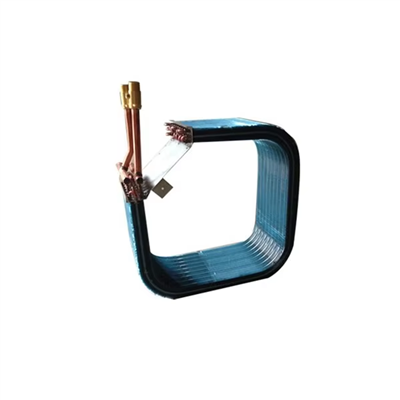
Finned Tube Reach out to us to discuss your project needs, and let’s work together to find the best water cooled condenser solution for you. We look forward to the opportunity to partner with you and provide you with a reliable and quiet condenser system.
References
- ASHRAE Handbook – HVAC Systems and Equipment. American Society of Heating, Refrigerating and Air – Conditioning Engineers.
- Industrial Noise Control and Acoustics, by Clarence W. Cole and Samuel H. Rogers.
- Noise Reduction and Vibration Isolation: Principles and Applications, by John M. Arnold.
Xiangshui Derkang Refrigeration Equipment Co., Ltd.
Address: No. 2, Xiaojian Town Entrepreneurship Park, Xiangshui County
E-mail: 505745223@qq.com
WebSite: https://www.xsderk.com/
