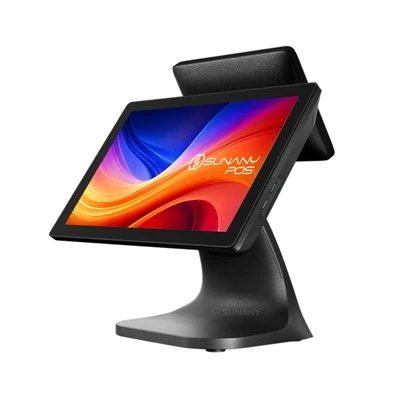
As a supplier of Desktop Touch Monitors, I’ve encountered numerous customers eager to expand the functionality of their monitors by connecting a webcam. This integration can significantly enhance the user experience, particularly for video conferencing, content creation, or even basic web browsing with enhanced interaction. In this post, I’ll share a step – by – step guide on how to connect a webcam to a Desktop Touch Monitor, along with some troubleshooting tips and considerations. Desktop Touch Monitor
Understanding the Basics
Before diving into the connection process, it’s essential to understand the basic components involved. A Desktop Touch Monitor is a display device that allows users to interact directly with the screen through touch gestures. A webcam, on the other hand, is a video camera that feeds or streams an image or video in real – time to or through a computer.
To connect a webcam to a Desktop Touch Monitor, you’ll also need a computer. The monitor is connected to the computer, and the webcam is then connected to the computer. The computer acts as the central hub that processes and displays the video feed from the webcam on the monitor.
Compatibility Check
The first step in connecting a webcam to a Desktop Touch Monitor is to ensure compatibility. Not all webcams are compatible with all computers and monitors.
- Operating System Compatibility: Check the webcam’s specifications to see which operating systems it supports. Most modern webcams are compatible with Windows, macOS, and Linux. However, some older or specialized webcams may only work with specific versions of these operating systems.
- Connection Interface: Webcams typically connect to a computer via USB (Universal Serial Bus). Make sure your computer has an available USB port. Some high – end webcams may also support Thunderbolt or other high – speed interfaces, so check your computer for compatibility.
- Monitor Resolution and Refresh Rate: While the monitor itself doesn’t directly affect the webcam connection, it’s important to ensure that your monitor can display the video feed from the webcam at an acceptable resolution and refresh rate. Most webcams support a range of resolutions, from 720p to 4K, so choose a webcam that matches your monitor’s capabilities.
Step – by – Step Connection Process
Once you’ve confirmed compatibility, you can proceed with the connection process.
Step 1: Prepare Your Equipment
Gather your Desktop Touch Monitor, computer, webcam, and any necessary cables. Make sure your monitor is already connected to the computer, either through an HDMI, DisplayPort, or other appropriate cable.
Step 2: Connect the Webcam to the Computer
- Locate an available USB port on your computer. If you’re using a desktop computer, these ports are usually located on the front or back of the tower. For a laptop, they’re typically on the sides.
- Plug the USB cable from the webcam into the USB port on your computer. You may hear a sound indicating that the computer has detected the new device.
Step 3: Install the Webcam Software (if necessary)
- In most cases, modern webcams are plug – and – play devices, which means they don’t require any additional software to work. However, some webcams may come with their own software that provides advanced features such as image enhancement, face tracking, or custom settings.
- If your webcam requires software, insert the installation CD that came with the webcam or download the software from the manufacturer’s website. Follow the on – screen instructions to install the software.
Step 4: Configure the Webcam Settings
- Once the webcam is connected and the software is installed (if required), you can configure the webcam settings. On Windows, you can access the webcam settings through the Privacy settings in the Control Panel or the Settings app. On macOS, you can find the webcam settings in the Applications folder or the System Preferences.
- Adjust the settings such as resolution, frame rate, brightness, and contrast to optimize the video quality. You may also need to select the webcam as the default video input device in some applications.
Step 5: Test the Webcam
- Open a video conferencing application such as Zoom, Skype, or Google Meet, or use the built – in camera app on your computer. Point the webcam at yourself or an object and check if the video feed is displaying correctly on the Desktop Touch Monitor.
- If you’re experiencing issues with the video feed, try adjusting the webcam position, checking the connection, or re – installing the software.
Troubleshooting Tips
Even if you follow the steps correctly, you may encounter some issues when connecting a webcam to a Desktop Touch Monitor. Here are some common problems and solutions:
No Video Feed
- Check the Connection: Make sure the webcam is securely plugged into the USB port on the computer. Try plugging the webcam into a different USB port to see if the problem persists.
- Update Drivers: Outdated drivers can cause compatibility issues. Visit the manufacturer’s website and download the latest drivers for your webcam. Install the drivers and restart your computer.
- Check Permissions: Some applications may require permission to access the webcam. Make sure the application has permission to use the webcam in your computer’s privacy settings.
Poor Video Quality
- Adjust Lighting: Insufficient lighting can result in poor video quality. Try adjusting the lighting in the room or using a softbox or ring light to improve the illumination.
- Change Resolution and Frame Rate: If the video quality is still poor, try reducing the resolution or frame rate of the webcam. This can help improve the performance, especially if your computer has limited resources.
- Clean the Lens: Dust and dirt on the webcam lens can also affect the video quality. Use a soft, dry cloth to clean the lens gently.
Audio Issues
- Check the Webcam Microphone: Some webcams come with a built – in microphone. Make sure the microphone is turned on and working properly. You can test the microphone by speaking into it and checking if the audio is being picked up in the application.
- Use an External Microphone: If the built – in microphone isn’t working well, you can connect an external microphone to your computer. Plug the microphone into the audio input port on your computer and select it as the default audio input device in the audio settings.
Considerations for Optimal Performance
- Placement: The placement of the webcam is crucial for optimal performance. Position the webcam at eye level to ensure a natural and flattering view. Avoid placing the webcam in direct sunlight or in front of a bright light source, as this can cause glare and overexposure.
- Cable Length: If you’re using a USB cable to connect the webcam, make sure the cable is not too long. Long cables can cause signal loss and affect the video quality.
- Security: Since webcams can pose a security risk, it’s important to take steps to protect your privacy. Use a webcam cover when the webcam is not in use, and make sure your computer has up – to – date antivirus and security software.
Why Choose Our Desktop Touch Monitors for Webcam Integration
As a supplier of Desktop Touch Monitors, we offer a range of products that are ideal for webcam integration. Our monitors are designed with high – quality displays, ensuring clear and sharp video playback. They also support a variety of input interfaces, making it easy to connect your webcam and other devices.

Moreover, our Desktop Touch Monitors are built with durability and reliability in mind. We use the latest technology and high – quality materials to ensure that our monitors can withstand the rigors of daily use. Whether you’re using the monitor for personal or professional purposes, you can count on our products to deliver exceptional performance.
Connect with Us for Your Purchase
Android POS System If you’re interested in purchasing a Desktop Touch Monitor for webcam integration or have any questions about the connection process, we’d love to hear from you. Our team of experts is ready to assist you in finding the perfect monitor for your needs. Simply reach out to us, and we’ll start the conversation to help you make an informed decision.
References
- "Computer Hardware: A Comprehensive Guide" by some hardware expert.
- Webcam user manuals from various manufacturers.
- Operating system documentation for Windows, macOS, and Linux.
Shenzhen Sunany Technology Limited
Shenzhen Sunany Technology Limited is one of the most professional desktop touch monitor manufacturers and suppliers in China, featured by quality products and good price. Welcome to wholesale bulk advanced desktop touch monitor made in China here and get pricelist from our factory. Contact us for customized service and OEM service.
Address: 7F, Building 2, Pingji Avenue No.13, Longgang, Shenzhen, China.
E-mail: info@sunany.com
WebSite: https://www.sunanypos.com/
