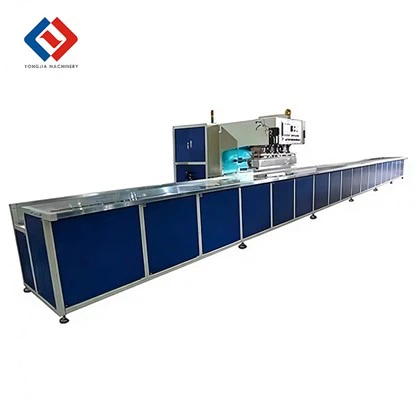
As a reputable supplier of HF (High Frequency) Welding Machines, I often encounter inquiries about the welding strength achievable with our equipment. Understanding the welding strength of an HF Welding Machine is crucial for businesses across various industries that rely on this technology for their production processes. In this blog, I’ll delve into the factors that determine the welding strength of an HF Welding Machine, its significance in different applications, and how our HF Welding Machines stand out in delivering exceptional welding strength. HF Welding Machine
Key Factors Affecting Welding Strength in HF Welding Machines
1. Material Compatibility
The type of materials being welded is one of the most fundamental factors influencing welding strength. HF Welding Machines are highly effective for welding thermoplastic materials. These materials have the ability to melt and re – solidify under the influence of high – frequency electromagnetic fields. Different thermoplastics have varying chemical compositions and molecular structures, which directly impact their welding characteristics. For example, PVC (Polyvinyl Chloride) is a commonly welded material due to its good electrical conductivity and thermal properties. When welding PVC using an HF Welding Machine, the high – frequency energy causes the polar molecules in the PVC to vibrate rapidly, generating heat that melts the material at the joint. The strength of the weld depends on the compatibility of the PVC grades and whether any additives or impurities are present in the material. Incompatible materials or materials with high levels of impurities can lead to weak welds, as the melting and bonding process may not occur uniformly.
2. Equipment Power and Frequency
The power and frequency settings of an HF Welding Machine are critical for achieving optimal welding strength. The machine’s power determines the amount of high – frequency energy delivered to the welding area. Higher power generally means more energy is available to heat and melt the materials, which can result in stronger welds, especially for thicker or more heat – resistant materials. However, if the power is set too high, it can cause overheating, which may lead to material degradation, burning, or uneven melting. On the other hand, insufficient power will not provide enough heat to fully melt the materials, resulting in a weak and unreliable weld.
Frequency also plays a vital role. Most HF Welding Machines operate in the frequency range of 13.56 MHz to 40.68 MHz. The frequency affects how the high – frequency energy interacts with the material’s molecules. Different materials respond better to specific frequencies. For instance, some materials may have a higher absorption rate of high – frequency energy at a particular frequency, which allows for more efficient heating and better welding strength. Our HF Welding Machines are designed with adjustable power and frequency settings, allowing operators to fine – tune the parameters according to the specific requirements of the material and the welding task.
3. Welding Pressure and Time
Welding pressure ensures that the melted materials are in close contact during the welding process, facilitating the formation of a strong bond. Adequate pressure helps to expel any air trapped between the materials and promotes molecular diffusion across the joint. If the pressure is too low, there may be voids or weak spots in the weld, reducing its strength. Conversely, excessive pressure can cause the material to flow out of the welding area or distort the shape of the workpiece.
The welding time is also a significant factor. It needs to be carefully controlled to ensure that the materials are heated and bonded properly. Too short a welding time will result in incomplete melting and a weak weld, while too long a time can lead to over – melting and damage to the material. Our HF Welding Machines are equipped with precise pressure control systems and programmable welding time settings, enabling operators to achieve consistent and strong welds across multiple workpieces.
Significance of Welding Strength in Different Applications
1. Automotive Industry
In the automotive industry, HF welding is used for various applications, such as welding automotive seats, door panels, and airbags. The welding strength is of utmost importance as these components are subject to a wide range of mechanical stresses during normal use. For example, automotive seats need to withstand the weight of passengers, vibrations from the vehicle’s movement, and sudden acceleration or deceleration. A weak weld in a seat component could lead to premature failure, posing a safety risk to the passengers. Our HF Welding Machines are capable of producing strong welds that meet the strict quality and safety standards of the automotive industry.
2. Packaging Industry
The packaging industry relies on HF welding to seal various types of containers and packaging materials. Strong welds are essential to ensure the integrity of the package, prevent leakage, and extend the shelf life of the products inside. For example, in the case of plastic packaging for food products, a weak weld could allow air and moisture to enter the package, leading to spoilage of the food. Our HF Welding Machines can create tight and durable seals on packaging materials such as PVC films, ensuring the products are well – protected during storage and transportation.
3. Medical Industry
In the medical industry, HF welding is used to manufacture medical devices such as IV bags, blood collection bags, and surgical drapes. The welding strength is critical for maintaining the sterility of the medical products and preventing leaks. A weak weld in a medical bag could result in the leakage of fluids, which can contaminate the surrounding environment and pose a risk to patients. Our HF Welding Machines are designed to meet the high – quality and hygienic requirements of the medical industry, producing strong and reliable welds on medical – grade plastics.
Our HF Welding Machines: Delivering Exceptional Welding Strength
At our company, we take pride in offering HF Welding Machines that are engineered to provide outstanding welding strength. Our machines are built with the latest technology and high – quality components, ensuring reliable performance and consistent results.
We conduct extensive research and development to optimize the power, frequency, and pressure control systems of our machines. This allows us to provide precise and adjustable settings, enabling operators to achieve the best welding strength for different materials and applications. Our technical support team is always available to assist customers in selecting the appropriate machine and setting the correct parameters for their specific welding tasks.
Moreover, we adhere to strict quality control standards during the manufacturing process. Each HF Welding Machine undergoes rigorous testing to ensure that it meets or exceeds industry standards for welding strength and performance. We also offer after – sales service and maintenance to keep our machines in optimal condition, ensuring long – term reliability and consistent welding strength.
Conclusion
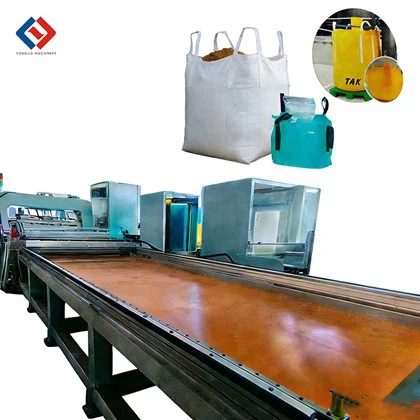
The welding strength of an HF Welding Machine is determined by multiple factors, including material compatibility, equipment power and frequency, and welding pressure and time. Understanding these factors is essential for businesses to achieve strong and reliable welds in their production processes. Our HF Welding Machines are designed to provide exceptional welding strength, making them suitable for a wide range of industries, including automotive, packaging, and medical.
Synchronous Fusing HF Welding Machines If you’re interested in learning more about our HF Welding Machines and how they can meet your welding requirements, we invite you to contact us for a consultation. Our team of experts is ready to discuss your specific needs and provide you with the best solutions. We look forward to the opportunity to work with you and help you achieve high – quality welding results.
References
- Welding Handbook, American Welding Society
- Plastic Welding Technology, Elsevier
- Automotive Plastics and Composites Engineering, SAE International
Dongguan Yongjia Machinery Equipment Co., Ltd.
We are one of the most reliable hf welding machine manufacturers and suppliers in China, specialized in providing high quality customized service. Please feel free to wholesale advanced hf welding machine at low price from our factory. For quotation, contact us now.
Address: No. 240, Chashan South Road, Chashan Town, Dongguan City, Guangdong Province, China
E-mail: info@yjwelding.com
WebSite: https://www.yjhighfrequencymachine.com/
