As a supplier of stainless steel ball joints, I often encounter inquiries from customers about the dynamic load capacity of our products. Understanding the dynamic load capacity is crucial for ensuring the proper selection and application of ball joints in various industries. In this blog, I will delve into the concept of dynamic load capacity, its significance, and how it relates to our stainless steel ball joints. Stainless Steel Ball Joint

What is Dynamic Load Capacity?
Dynamic load capacity refers to the maximum load that a ball joint can withstand under dynamic conditions over a specified number of cycles. In other words, it is the load that the ball joint can handle while in motion without experiencing excessive wear, deformation, or failure. This is in contrast to static load capacity, which is the maximum load that a ball joint can support when it is stationary.
The dynamic load capacity of a ball joint is typically expressed in terms of a load rating, which is determined through rigorous testing and analysis. This rating takes into account various factors, including the size and material of the ball joint, the type of loading (e.g., radial, axial, or combined), and the operating conditions (e.g., speed, temperature, and lubrication).
Significance of Dynamic Load Capacity
The dynamic load capacity of a ball joint is a critical factor in determining its performance and reliability in real-world applications. If a ball joint is subjected to a load that exceeds its dynamic load capacity, it can lead to premature wear, reduced service life, and even catastrophic failure. This can result in costly downtime, repairs, and safety hazards.
By understanding the dynamic load capacity of our stainless steel ball joints, customers can make informed decisions when selecting the appropriate ball joint for their specific application. They can ensure that the ball joint can handle the expected loads and operating conditions, thereby maximizing its performance and longevity.
Factors Affecting Dynamic Load Capacity
Several factors can affect the dynamic load capacity of a stainless steel ball joint. These include:
- Material: The material of the ball joint plays a significant role in its dynamic load capacity. Stainless steel is a popular choice for ball joints due to its high strength, corrosion resistance, and durability. However, different grades of stainless steel have different mechanical properties, which can affect the load capacity of the ball joint.
- Size: The size of the ball joint also affects its dynamic load capacity. Generally, larger ball joints have a higher load capacity than smaller ones. This is because larger ball joints have a greater contact area between the ball and the socket, which distributes the load more evenly.
- Design: The design of the ball joint can also impact its dynamic load capacity. For example, ball joints with a higher number of balls or a larger ball diameter can typically handle higher loads. Additionally, the shape and geometry of the socket can affect the load distribution and the ability of the ball joint to withstand dynamic loads.
- Operating Conditions: The operating conditions of the ball joint, such as speed, temperature, and lubrication, can also affect its dynamic load capacity. High speeds can increase the wear and tear on the ball joint, while high temperatures can reduce the strength and hardness of the material. Proper lubrication is essential for reducing friction and wear, which can help to maintain the dynamic load capacity of the ball joint.
Determining the Dynamic Load Capacity of Our Stainless Steel Ball Joints
At our company, we use advanced testing and analysis techniques to determine the dynamic load capacity of our stainless steel ball joints. Our testing facilities are equipped with state-of-the-art equipment, which allows us to simulate real-world operating conditions and accurately measure the performance of our ball joints.
We conduct a series of tests, including fatigue testing, to determine the maximum load that our ball joints can withstand under dynamic conditions. These tests are performed in accordance with international standards and industry best practices to ensure the accuracy and reliability of our results.
In addition to testing, we also use computer-aided design (CAD) and finite element analysis (FEA) to optimize the design of our ball joints and improve their dynamic load capacity. These tools allow us to simulate the behavior of the ball joint under different loading conditions and make adjustments to the design as needed.
Applications of Our Stainless Steel Ball Joints
Our stainless steel ball joints are used in a wide range of applications, including automotive, aerospace, industrial machinery, and robotics. In each of these applications, the dynamic load capacity of the ball joint is a critical factor in ensuring the proper functioning and reliability of the equipment.
For example, in automotive applications, ball joints are used in the suspension system to connect the steering knuckle to the control arm. These ball joints must be able to withstand the dynamic loads generated by the vehicle’s movement, including acceleration, braking, and cornering. By using ball joints with a high dynamic load capacity, we can ensure that the suspension system operates smoothly and safely.
In aerospace applications, ball joints are used in the control surfaces of aircraft, such as the ailerons, elevators, and rudders. These ball joints must be able to withstand the high dynamic loads generated by the aircraft’s flight, including turbulence and maneuvering. Our stainless steel ball joints are designed to meet the strict requirements of the aerospace industry, providing reliable performance and long service life.
Conclusion
In conclusion, the dynamic load capacity of a stainless steel ball joint is a critical factor in determining its performance and reliability in real-world applications. By understanding the concept of dynamic load capacity and the factors that affect it, customers can make informed decisions when selecting the appropriate ball joint for their specific application.
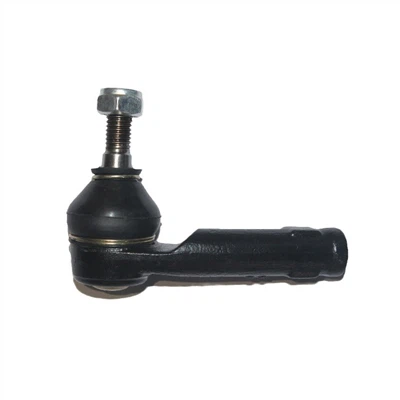
At our company, we are committed to providing high-quality stainless steel ball joints with a high dynamic load capacity. Our advanced testing and analysis techniques, combined with our expertise in ball joint design and manufacturing, allow us to offer ball joints that meet the most demanding requirements of our customers.
Outer Ball Joint If you are interested in learning more about our stainless steel ball joints or have any questions about dynamic load capacity, please feel free to contact us. We would be happy to discuss your specific needs and provide you with the information and support you need to make the right choice for your application.
References
- ISO 12240-1:2014 – Ball joints – Part 1: General characteristics
- ASTM F2043-00(2017) – Standard Specification for Welded Stainless Steel Ball Joints
- Machinery’s Handbook, 30th Edition
Taizhou Huazhe Auto Parts Co., Ltd.
As one of the most professional stainless steel ball joint manufacturers and suppliers in China, we’re featured by quality products and low price. Please rest assured to buy bulk high-grade stainless steel ball joint in stock here from our factory. For pricelist, contact us now.
Address: No. 2828, Binkang Avenue, Sanjia Street, Taizhou Bay New Area, Taizhou City, Zhejiang Province
E-mail: 19906762800@163.com
WebSite: https://www.huazheindustry.com/
