When I first started as a solar power enclosures supplier five years ago, I’ll admit my main focus was on durability, cost, and meeting the strict electrical standards that keep solar systems running smoothly. Back then, “eco-friendly” was a afterthought—something we might mention in marketing copy but rarely built into our designs. Today, that’s shifted. Every day, clients ask: Are there eco-friendly solar power enclosures that don’t sacrifice performance? As someone who’s spent thousands of hours testing materials, troubleshooting installations, and talking to installers and system owners across North America, I can tell you the answer is a resounding yes—but it means rethinking every part of how we make these enclosures. Solar Power Enclosures

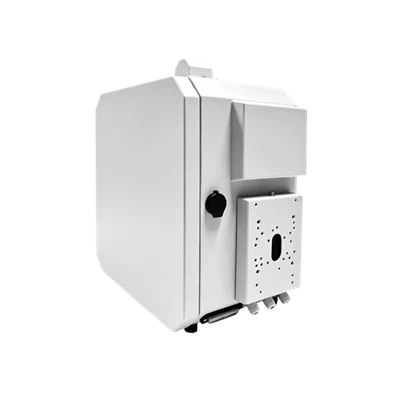
Let’s start with what a solar power enclosure actually does. For anyone unfamiliar, it’s the weatherproof, secure box that houses the electrical components of a solar system: inverters, junction boxes, fuses, and wiring. It’s the unsung middleman between your solar panels and the grid, protecting everything from rain, wind, temperature swings, and even wildlife. For decades, most enclosures were made from galvanized steel or hard plastic like PVC—materials that work, but aren’t great for the planet. Galvanized steel requires heavy mining for iron ore and zinc, and when it’s discarded, it often ends up in landfills where it leaches chemicals over time. PVC is a petroleum product, hard to recycle, and releases toxic fumes when it breaks down or is burned. Early on, we stuck with those materials too—they were cheap, easy to source, and familiar to installers. But about three years ago, a client who installed solar farms on old industrial sites pushed me to look for alternatives. They were targeting LEED certification for their projects, and off-the-shelf steel enclosures were costing them valuable points. That conversation got me digging, and what I found changed our entire product line.
The first big shift was moving away from virgin steel and plastic. Now, our top eco-friendly enclosures are made from 95% post-consumer recycled aluminum. Wait, recycled aluminum—everyone knows aluminum is recyclable, but did you know recycling aluminum uses 95% less energy than making new aluminum from bauxite? That’s a game-changer. Every kilogram of recycled aluminum keeps about 8 kilograms of bauxite out of the ground, and cuts carbon emissions by roughly 10 kilograms compared to virgin aluminum. But it’s not just about the material itself. We also design our enclosures to be fully recyclable at the end of their life—no coatings, no mixed materials that make separation hard. Unlike galvanized steel, which can’t be recycled easily because of the zinc coating, our recycled aluminum enclosures can be melted down and turned into new products without losing quality. We’ve tested them in temperatures from -40°F in northern Canada to 120°F in Arizona’s desert, and they perform just as well (if not better) than steel enclosures. The recycled aluminum is just as strong, lighter (easier to install, which cuts fuel use during shipping), and more resistant to corrosion than galvanized steel. That’s a triple win: eco-friendly, better performance, and lower long-term costs for installers.
But eco-friendly doesn’t stop at the shell. We also overhauled the internal components. Early on, the wire keepers, mounting brackets, and small parts inside were made from virgin plastic. Now, we use 100% recycled, food-grade HDPE for all internal hardware. Wait, food-grade? That means it’s made from recycled milk jugs, water bottles, and other clean plastic containers—not industrial plastic waste. That’s a big difference. Industrial plastic often has chemicals that can leach into the environment if discarded, but food-grade HDPE is non-toxic, easy to recycle, and just as durable for internal parts. We worked with a material scientist for six months to make sure the recycled HDPE could handle the constant vibration from inverters, the moisture from condensation, and the temperature swings without cracking or breaking. The result? Internal parts that are even more resistant to wear than the old virgin plastic ones, with a carbon footprint that’s almost zero compared to before.
Another key part of eco-friendly solar enclosures is reducing energy use for the enclosure itself. Solar systems generate heat—especially in hot climates, where inverters can overheat and fail if the enclosure doesn’t breathe well. For a long time, we added vents to enclosures, but those vents let in dust, insects, and rain, which can damage internal components. We tried different vent designs, but most used plastic grills that break over time. Now, we’ve developed a passive ventilation system that’s fully integrated into the recycled aluminum shell, made from the same material. It works on the stack effect: hot air rises, so the top of the enclosure has small, angled vents that let heat escape, while the bottom has filters made from 100% recycled polyester. The filters block dust and insects, but let air flow freely—so the enclosure doesn’t need any fans. Fans use electricity, which means every fan we removed saves energy, reduces maintenance, and eliminates the risk of fan failure mid-summer when the system needs it most. We tested this design in Phoenix, where temperatures hit 115°F, and the internal temperature of the enclosure was 15°F lower than a similar steel enclosure with a fan. That means the inverters run cooler, last longer, and produce more power—so the entire solar system is more efficient, not just the enclosure.
We also had to think about the supply chain, because an eco-friendly product is only as good as the journey it takes to get to the customer. For years, we sourced aluminum from mills 2,000 miles away. That meant heavy trucking, high fuel costs, and unnecessary carbon emissions. Now, we work with a mill that’s 300 miles from our factory, and we use only rail and local delivery for transport. We also switched to FSC-certified wood for the packaging of our enclosures. FSC certification means the wood comes from responsibly managed forests, where trees are replanted and ecosystems are protected. Before, we used styrofoam and plastic wrap for packaging. Now, all packaging is 100% recyclable or compostable, and we’ve cut our packaging waste by 75% in the last two years. That’s a small change, but when you’re shipping hundreds of enclosures a month, it adds up.
Of course, some people will say: “Eco-friendly enclosures must be more expensive.” Let’s be honest, early on, that was true. Recycled aluminum cost more than virgin steel, and the new ventilation system added a small premium. But over time, we’ve scaled production, worked with suppliers to streamline processes, and found ways to reduce costs without cutting corners. Now, our eco-friendly enclosures are priced competitively with high-quality steel enclosures, and in many cases, they save clients money in the long run. Because they’re lighter, shipping costs are lower. They’re more corrosion-resistant, so they don’t need as much maintenance. And the passive ventilation means the solar system’s inverters last 20-30% longer, so clients avoid the cost of replacing inverters every 10 years like they would with a steel enclosure.
I’ve seen the difference these enclosures make firsthand. Last year, I worked with a small solar company in Portland that installed enclosures for a 50-kilowatt system on a community garden. The garden was trying to become net-zero, and they were getting pushback from local residents about the environmental impact of their project. When we switched their enclosures to our recycled aluminum models, they were able to showcase the enclosures as part of their green credentials. They told us that residents would stop by the installation and ask about the boxes, and it became a talking point for the garden’s sustainability efforts. That’s not just a win for the client—it’s a win for the planet, because it shows that solar can be fully eco-friendly from panels down to the enclosure.
But it’s not all perfect. There are still challenges. For example, some areas have limited access to recycled aluminum, so we’re working with a network of suppliers across the country to make sure we can meet demand no matter where a project is. There’s also the question of end-of-life recycling. Even though our enclosures are fully recyclable, many installers and project owners don’t know how to recycle them properly. So we’ve made sure to include clear recycling instructions with every enclosure, and we partner with local metal recyclers to help clients dispose of old enclosures when they’re no longer needed. We even have a take-back program—if a client sends us an old enclosure, we’ll recycle it for free and give them a discount on their next order. That’s something we added last year, and it’s been a hit with clients who want to make sure every part of their project is circular.
I often get asked: Why bother with eco-friendly enclosures when the solar panels are already green? The answer is that solar systems are only as sustainable as every component that goes into them. If you have the best solar panels in the world, but the enclosure holding them together is made from virgin plastic or steel that’s mined in a way that destroys ecosystems, you’re missing the point. Every part of a green project should be green, and that includes the parts no one sees. The enclosure is the backbone of the solar system—it protects the components, keeps them running, and enables the entire system to produce clean energy. If we make that backbone eco-friendly, we’re taking a step toward making solar truly sustainable, not just in energy production, but in every stage of manufacturing and use.
Looking ahead, we’re working on even more improvements. We’re testing enclosures made from 100% recycled aluminum (we’re currently at 95%, and we’re close to hitting 100%) and we’re looking for ways to reduce the carbon footprint of our manufacturing process even further. We’re also exploring partnerships with nonprofits that focus on recycling e-waste, to make sure the small electronic parts inside our enclosures are recycled properly at the end of their life.
Mobile Surveillance Towers At the end of the day, I started this business because I believe in solar power—it’s one of the best tools we have to fight climate change. But I also believe that every part of that tool should align with that goal. That’s why I’m so passionate about eco-friendly solar power enclosures. They’re not just a niche product for LEED projects—they’re a practical, cost-effective way to make solar even greener. If you’re working on a solar project and want to learn more about how our eco-friendly enclosures can fit your needs, or if you have questions about sustainability in electrical enclosures, we’re here to help. Reach out to our team to discuss your project details and find the right solution for you.
References
- International Energy Agency. (2022). Global Aluminum Recycling and Circular Economy. IEA Renewable Energy Technology Collaboration Programme.
- US Department of Energy. (2021). Solar Electrical Component Durability and Environmental Performance. DOE Office of Energy Efficiency & Renewable Energy.
- Aluminum Association. (2023). Recycled Aluminum Benefits for Construction and Manufacturing. The Aluminum Association.
- National Renewable Energy Laboratory. (2022). Passive Ventilation for Solar Inverter Enclosures in Hot Climates. NREL Technical Report.
- Food and Agriculture Organization of the United Nations. (2021). FSC Certification and Responsible Wood Supply Chains. FAO Forestry Division.
Shenzhen Gago Electronics Co., Ltd.
Shenzhen Gago Electronics Co., Ltd. is one of the most professional solar power enclosures manufacturers and suppliers in China. As we have world-leading production equipment and strong manufacturing capabilities, we warmly welcome you to buy high quality solar power enclosures at competitive price from our factory.
Address: C201,Building B, No.170 Xingfa Road,Shangcun Community, Gongming Street, Guangming District, Shenzhen, China
E-mail: info@gagoelectronics.com
WebSite: https://www.gagodeterrence.com/
