If you’ve ever stood beneath a grand steel arch bridge watching cars glide hundreds of feet above a river, or traversed a concrete box girder highway bridge that cuts through a mountain pass, you’ve probably marveled at the engineering that makes those structures feel both timeless and seamless. But what most people don’t see—what’s hidden beneath every poured span, every curve, and every curved abutment—is formwork, the unsung workhorse of bridge construction. As a formwork supplier with decades of on-site experience, I’ve seen firsthand how this often-overlooked component isn’t just a “mold” for concrete; it’s the backbone of safe, durable, and cost-effective bridge building. Formwork
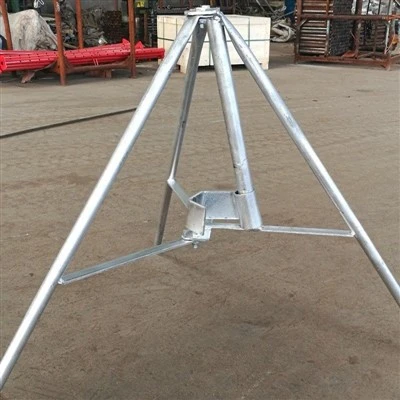
When most folks hear the word “formwork,” they picture flimsy wooden planks and a few nails, the same kind used for backyard patio projects. But bridge formwork is a high-precision engineered system tailored to the unique demands of heavy infrastructure. Unlike a residential patio, where a small slab only needs to hold a few hundred pounds of concrete, bridge formwork has to support thousands of tons of wet, fluid concrete before it cures, plus the dynamic loads of construction crews, cranes, and equipment, all while holding exact geometric tolerances that can be as tight as 1/8 of an inch over a 100-foot span. Get that tolerance wrong, and you end up with a span that doesn’t line up with adjacent segments, or a deck that warps under traffic loads long after the bridge opens.
Let’s break down the core roles formwork plays in bridge building, starting with the most obvious: shaping the structure. Bridges come in every imaginable form, and formwork is the only way to turn concrete (the most common material for medium to long-span bridges, thanks to its strength and low maintenance) into those shapes. For box girder bridges, the most popular type for modern highways and rail lines, formwork has to create a hollow, rectangular girder that’s lightweight enough to span long distances but strong enough to carry heavy loads. That means combining external formwork for the top and bottom slabs, plus internal formwork that creates the hollow center—often made of lightweight steel or reusable fiberglass that can be removed easily once the concrete sets. For curved arch bridges, formwork has to follow the exact arc of the arch, matching the design’s structural engineering to distribute weight evenly across the span. Even for simpler beam-and-slab bridges, the formwork for the abutments and piers has to match the exact dimensions required to support the girders that will be set on top of them. Without properly designed formwork, concrete is just a pile of wet rubble that’s impossible to shape into a functional bridge.
But shaping is just the start. Formwork also plays a critical role in structural integrity and durability. When concrete cures, it needs a stable, consistent environment to develop its full strength. If formwork shifts while the concrete is still wet, that creates weak spots in the structure—areas where the concrete isn’t compacted properly, leading to cracks, water infiltration, and long-term structural damage. That’s why we engineer formwork to support not just the weight of wet concrete, but also the pressure exerted as the concrete cures. For tall pier formwork, for example, the lateral pressure of wet concrete can be equivalent to hundreds of pounds per square foot, so we use steel formwork with adjustable bracing and hydraulic jacks that can be raised in segments, allowing crews to build piers that are hundreds of feet tall without sacrificing stability. For bridge decks, formwork also controls the surface finish: a smooth, properly cured concrete deck reduces friction for traffic, prevents water from pooling (which causes freeze-thaw damage in cold climates), and cuts down on maintenance costs over the bridge’s 75+ year lifespan. As someone who’s delivered formwork for projects in regions with harsh winters and scorching summers, I can tell you that formwork has to adapt to those conditions, too—insulated formwork in cold climates keeps concrete curing at a consistent temperature, while UV-resistant formwork in hot areas prevents premature drying and cracking.
Another often-overlooked role of formwork is speeding up construction timelines and reducing costs, two factors that are make-or-break for large infrastructure projects. Bridge construction is expensive and time-sensitive; delays can add millions of dollars in financing costs and road user fees for detours. That’s why we focus on reusable, modular formwork systems that cut down on on-site labor and material waste. For example, for precast concrete bridge segments, modular steel formwork can be used to cast dozens of identical segments in a controlled precast yard, far faster than casting them on-site. Those segments are then transported to the job site and assembled with post-tensioning cables, a method that cuts bridge construction timelines by months compared to cast-in-place concrete. Even for cast-in-place projects, self-climbing formwork systems allow crews to raise formwork for piers or decks in a matter of days, rather than weeks, because they eliminate the need to disassemble and reassemble formwork manually. As a supplier, we also design formwork to minimize waste—wooden formwork that’s only used once is a thing of the past for major bridge projects; steel, aluminum, and high-density fiberglass formwork can be reused on dozens, sometimes hundreds, of projects, making it a far more cost-effective and sustainable option.
Safety is another non-negotiable role that formwork plays in bridge construction. Working at heights, over rivers or busy highways, comes with enormous safety risks, and formwork systems are a key part of protecting crews. Modern formwork designs integrate built-in guardrails, access ladders, and fall protection points that comply with OSHA and international safety standards, reducing the need for crews to improvise unsafe platforms. For example, our adjustable pier formwork comes with pre-installed access platforms that move up with the form as it’s raised, so crews don’t have to climb temporary scaffolding on unstable concrete. Also, properly engineered formwork reduces the risk of structural failures during construction, which are all too common when teams cut corners on formwork design. I’ve seen projects where a cheap, improperly braced wooden formwork system collapsed mid-pour, destroying weeks of work, injuring crew members, and delaying the project for months. Investing in high-quality, engineered formwork isn’t just a construction decision—it’s a safety decision.
Now, it’s important to note that not all formwork is the same. Different bridge types and project requirements call for different formwork solutions. For a small, rural bridge spanning a local creek, you might use a combination of precast beam elements and simple temporary formwork for the deck. For a long-span cable-stayed bridge crossing a major river, you’d use complex, specialized formwork for the pylon towers, the bridge deck segments, and the anchorages that hold the stay cables. For bridges in seismic zones, formwork has to be designed to accommodate movement and prevent damage during earthquakes, so it’s made with flexible connections and high-strength materials that can withstand lateral forces.
As a formwork supplier, I work closely with bridge engineers, general contractors, and project managers long before the first bucket of concrete is ordered. We don’t just deliver formwork and leave it to the crew—we provide design support, on-site training, and rental options that fit project budgets and timelines. In an era where infrastructure projects are under more pressure than ever to be completed on time, on budget, and built to last, formwork is no longer an afterthought; it’s a critical component of the entire project’s success.
If you’re working on a new bridge project, whether it’s a small rural span or a major urban highway crossing, the right formwork can make the difference between a project that stays on track and one that hits costly delays, or a bridge that lasts for 50 years vs. 20 years. Formwork isn’t just a mold for concrete—it’s what makes safe, durable, and efficient bridge construction possible.
If you’re ready to discuss formwork solutions for your upcoming bridge project, get in touch to connect with our team for a personalized consultation.
Scaffoldings References
- Construction Industry Institute. (2020). Formwork Best Practices for Heavy Infrastructure. University of Texas at Austin.
- American Association of State Highway and Transportation Officials (AASHTO). (2021). AASHTO LRFD Bridge Construction Specifications, 7th Edition.
- European Committee for Standardization (CEN). (2019). EN 1992-1-1: Eurocode 2: Design of concrete structures – Part 1-1: General rules and rules for buildings, with addenda for bridge structures.
- International Federation for Structural Concrete (fib). (2018). Formwork for Concrete Structures: Design and Performance Guidelines, 2nd Edition.
- Occupational Safety and Health Administration (OSHA). (2022). Safety Standards for Construction: Formwork and Shore Systems, 29 CFR 1926 Subpart Q.
Rizhao Wellfit Scafform Co., Ltd.
As one of the most professional formworks manufacturers and suppliers in China, we have world-leading production equipment and strong manufacturing capabilities. Please feel free to buy high quality formworks at competitive price from our factory.
Address: No. 7, Huasheng Road, Taoluo Town Industrial Zoon, Donggang District, Rizhao City
E-mail: sales@wfscafform.com
WebSite: https://www.wfscafform.com/
